Private label is the new hero brand.
Retailer ranges are winning on innovation, not just price.
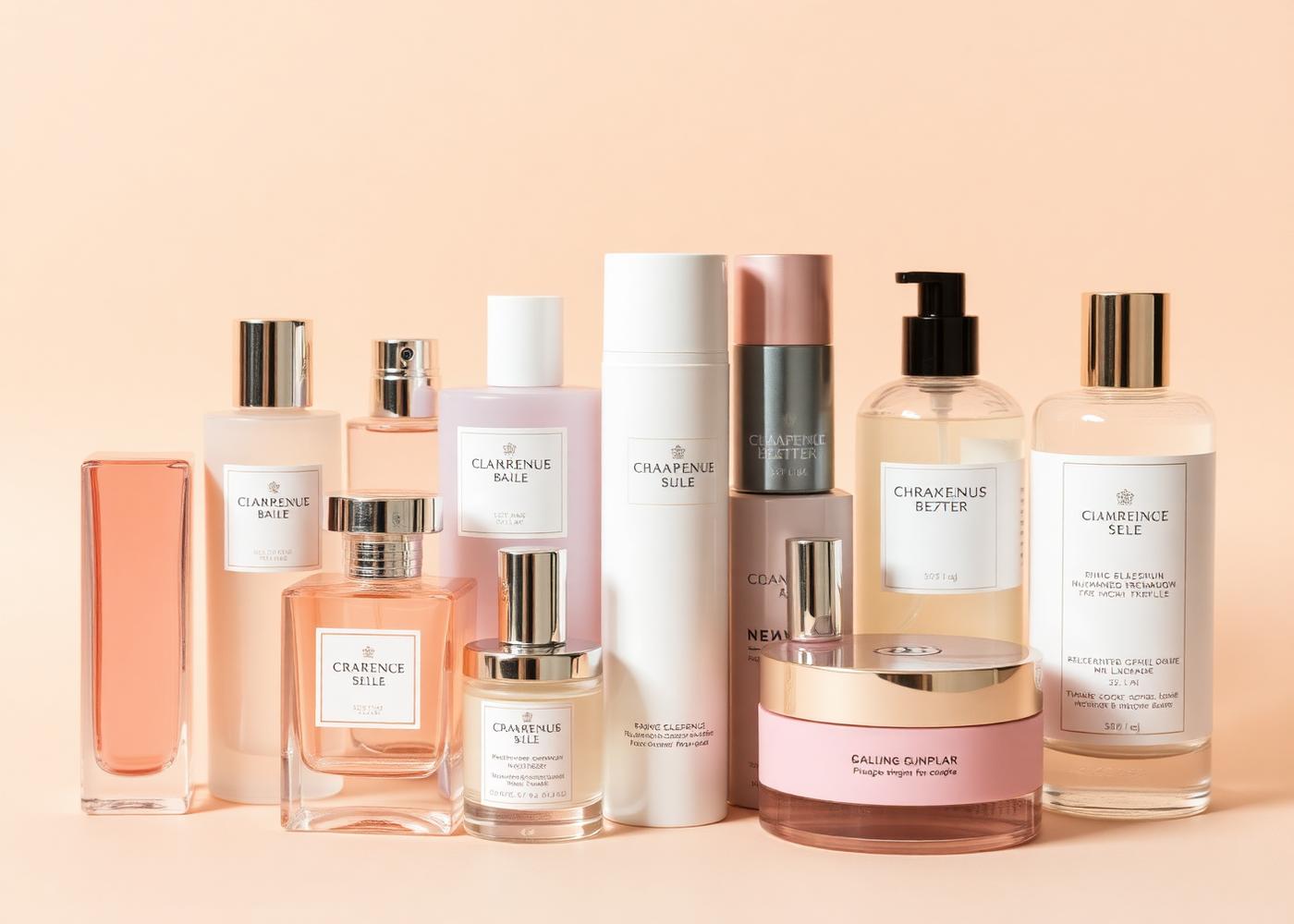
For most of retail history, private label was defined by what it was not: not the branded product, not the innovation-led one, not the range you built the aisle around. It was the value tier, and it earned its place on price.
That framing is now out of date. In beauty, personal care and fragrance, private label is increasingly the range doing the newest work — first to a trend, first with a format, first to tell a story the shopper actually wants to hear.
What changed
Three shifts have moved private label from follower to leader. Shoppers no longer read own-label as second-best; they read it as the retailer’s point of view. Manufacturing partners like ICS have closed the innovation gap, so a retailer range can now launch an active, a texture or a format at the same time as a branded competitor. And retailers themselves have started treating own-label as a brand — with design systems, launch calendars and category strategies, not just planogram fillers.
The three roles private label now plays
The best retail ranges we build with partners tend to occupy one of three positions on the shelf. Getting the position right is more important than getting the price right.
- Trend translator — the fastest legitimate way onto a trend the branded pipeline is still six months from.
- Category expander — a range that opens a subcategory the retailer does not currently own (skinified body, refill fragrance, targeted scalp).
- Storyteller — a range built around a retailer’s point of view: clean, local, refill, inclusive, dermatological.
Why speed matters more than scale
Branded beauty pipelines are long. Concepts move through global stage-gates, regional launch calendars and shared factory queues. A well-run private label programme can go from moodboard to shelf in a fraction of that time — which is the actual competitive advantage, not the margin story retailers usually lead with.
The winners we work with brief early, decide fast and give the range a proper launch. The losers wait for the trend to be proven and arrive as everyone else is exiting.
What a hero-brand private label looks like
Treat it like a brand. Name it, art-direct it, give it a launch, put it in the window, tell the shopper why it exists. Under-design it and it reads as a knockoff; over-design it and it fights the branded shelf without a story to back it up.
- A clear reason to exist that a shopper can say in one sentence.
- A design system, not a label template.
- A launch moment — content, sampling, in-store — not a quiet planogram drop.
- A roadmap of two or three follow-on drops in the first year to keep the range alive.
Work with ICS
Have a brief that touches this?
We build ranges with retailers and brand owners from concept to shelf — trend, formulation, packaging and supply, under one roof.
Start a conversation →More from Insights
The quiet luxury of ‘skinified’ body care.
Body is the new face. What that means for retailer aisles this year.

Fragrance under load-shedding: stability that survives the shelf.
How we test scent longevity across South African warehouse conditions.
Packaging that photographs — and still ships.
The tension between social-ready design and pallet-ready reality.